

Choose The Fence That Works Best For Your Pets
How to Choose the Best Fence for Dogs and Pets
A fenced yard can give pets room to spend time outdoors while providing homeowners with greater control over where they can roam. Choosing a pet-friendly fence, however, requires more than selecting a material and enclosing the backyard.
Different pets have different behaviors. Size, jumping ability, digging, visibility, temperament, and activity level can all affect what type of fence works best. Property layout and gate security should also be considered when planning the enclosure.
- TL;DR:
- The right pet fence depends on the animal's size, behavior, and ability to jump, climb, or dig.
- Height, spacing, gates, and the bottom of the fence can be just as important as the fencing material.
- Wood, vinyl, chain-link, and other fencing options can work for pets when appropriately designed for the property.
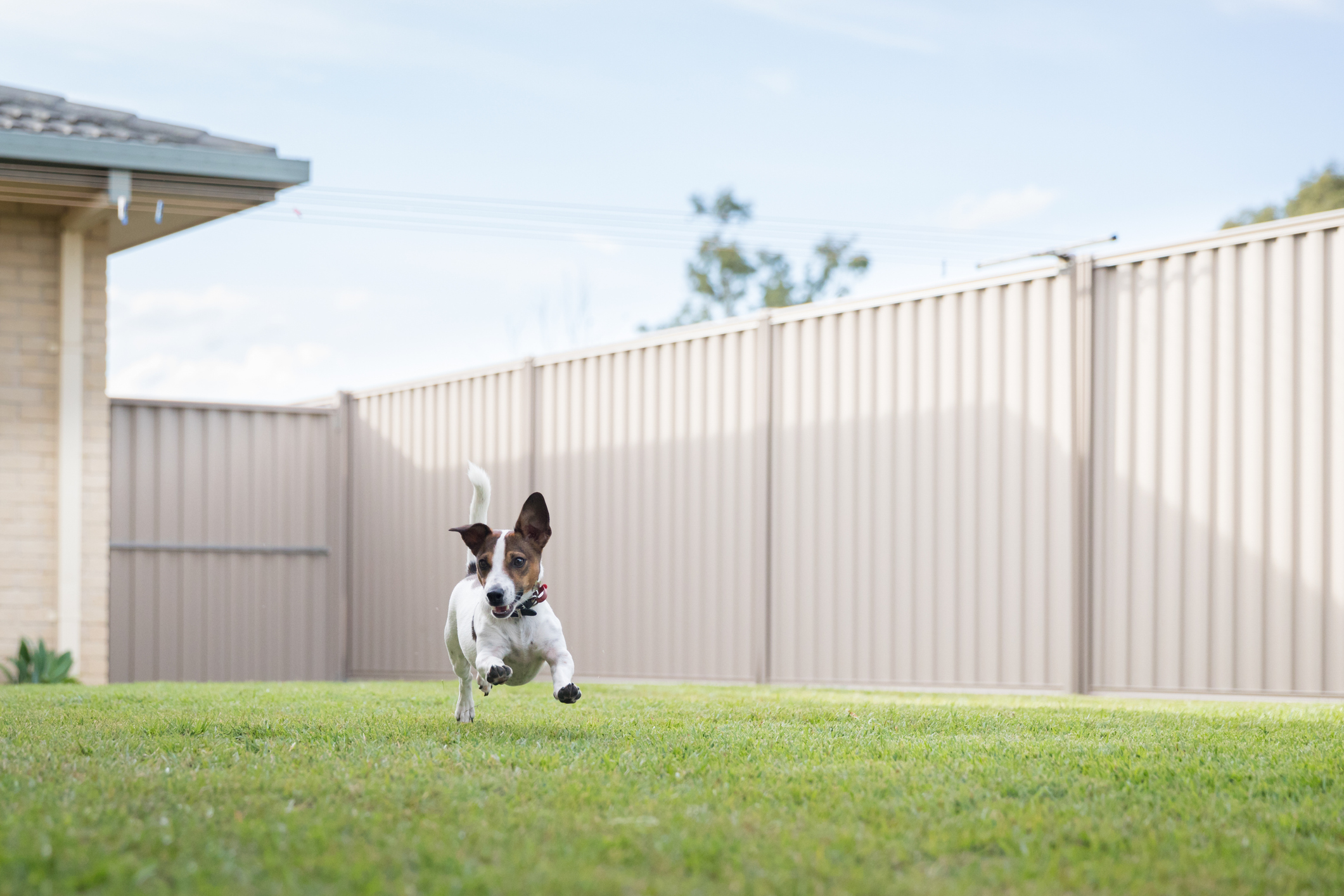
How to Plan a Pet-Friendly Fence
Choosing the right fence for your pet involves considering size, behavior, spacing, height, and gates. Planning around your pet and property can help create a secure, functional outdoor space.
How Tall Should a Fence Be for a Dog?
Homeowners should consider the pet’s size and behavior rather than selecting a fence based solely on appearance.
If a dog has previously jumped or climbed fencing, that behavior should be discussed during the planning process so the enclosure can be designed accordingly.
Why Does Fence Spacing Matter?
Open fencing can provide visibility, while solid fencing can limit what the pet sees beyond the property. Depending on the animal’s behavior, visibility itself may also influence which style a homeowner prefers.
What About Dogs That Like to Dig?
A fence can provide an effective above-ground boundary while still leaving opportunities for a persistent pet to dig near the fence line. Discussing known pet behaviors before installation allows those concerns to become part of the planning process rather than being discovered afterward.
Which Fence Materials Work Well for Pets?
Wood and vinyl can provide both containment and visual privacy. Chain-link provides an enclosed boundary while maintaining visibility. Other fencing styles may also be appropriate depending on the animal and property.
The best material should be selected based on the complete situation, including the pet, desired privacy, appearance, maintenance expectations, and budget.
Why Are Gates Important for Pet Fencing?
Placement also matters. A gate located near a driveway, road, or frequently used area may require different planning than one located in a less active portion of the yard.
Household routines should be considered as well. If children, visitors, landscapers, or other people regularly use the gate, choosing a practical and dependable configuration becomes even more important.
Create An Outdoor Space That Works For Both The Animal & Homeowner
Plan the Fence Around Your Pet and Property
The goal of pet fencing is to create an outdoor space that works for both the animal and the homeowner. Rather than choosing a fence based solely on what another homeowner uses, consider your pet’s behavior, the property layout, desired visibility and privacy, access requirements, maintenance preferences, and overall appearance. Superior Fence Company can help evaluate these factors and compare fencing options for creating a functional enclosed area.
Choosing a fence for pets involves considering their size, behavior, and containment needs. These FAQs cover fencing styles, privacy, and gate planning to help create a secure and functional outdoor space. Contact us today to learn more.
There is no single material that is best for every dog. The appropriate fence depends on the dog's size and behavior as well as the property's layout, desired privacy, maintenance preferences, and budget.
It depends on the pet and homeowner. A privacy fence limits visibility beyond the property, while an open fence allows the dog to see through it. Either can provide containment when appropriately designed.
Consider gate location, width, hardware, how frequently it will be used, and who will be using it. The gate should integrate with the overall enclosure while providing the access the household needs.
