
Start Building Your Dream Residential Fence
Residential Fencing
Residential fence installations are one of the most impactful home improvement projects you can undertake, and at Superior Fence, we specialize in transforming your outdoor spaces with expertly crafted and beautifully installed fences that suit your needs and style. Whether you want to improve privacy, secure your property, or simply enhance your home’s curb appeal, we offer a wide range of residential fence options to fit every requirement and aesthetic preference. Contact us today to get started.
Wood
Vinyl
Chainlink
Ornamental
Wood vs. Vinyl Fencing
Which Is Right for Your Property?
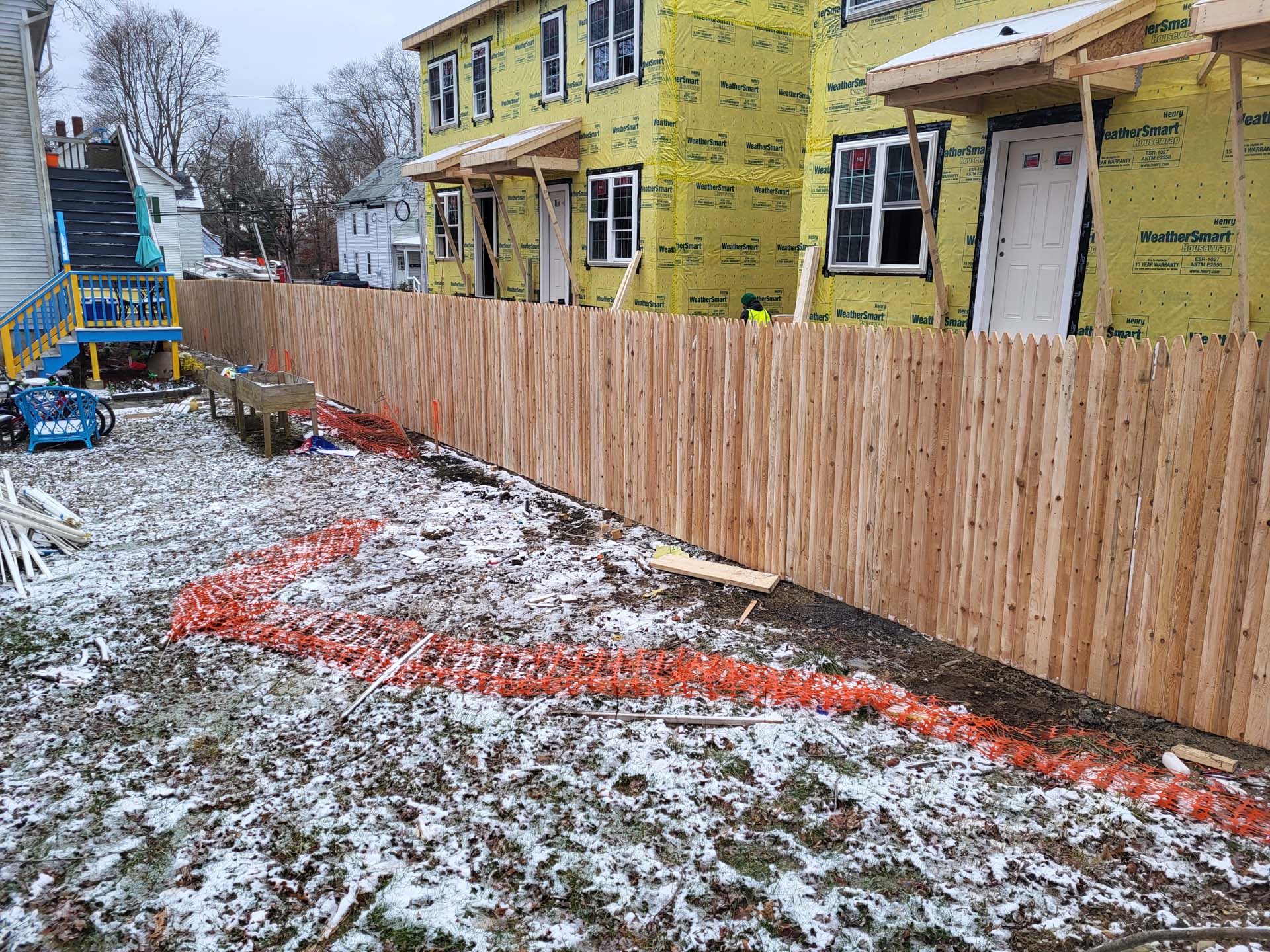
Wood and vinyl are both popular choices for residential fencing, but they offer different advantages. Wood provides a traditional, natural appearance and can work well for homeowners who want privacy or a classic look. Vinyl provides a clean appearance with lower routine maintenance and resistance to common concerns such as rot and weathering.
The right choice depends on more than appearance. Homeowners should consider how much privacy they want, how much maintenance they are comfortable with, the style of the property, and their long-term plans for the space. Georgia weather should also be part of the decision, since fencing is exposed to changing temperatures, precipitation, and seasonal conditions throughout the year.
Comparing the materials based on the specific property can help homeowners choose a fence that works for their priorities rather than simply selecting whichever option initially looks best.

Privacy Fence vs. Open-Style Fence
What Should You Consider?
Not every property needs a full privacy fence. Some homeowners want to create separation around a backyard or outdoor living area, while others simply want to establish a boundary, contain pets, or add a decorative feature without blocking surrounding views.
Wood and vinyl can provide greater privacy, while chain-link and ornamental aluminum or steel offer more visibility. Superior Fence Company installs all four of these primary fence categories, allowing the fence style to be selected according to the purpose of the project.
Before deciding, consider what you want to see from inside the property as well as what you want to block from outside it. Neighboring properties, landscaping, pets, children, outdoor entertaining areas, and the overall size of the yard can all influence the decision. The best fence should complement how the property is actually used.

How Does North Georgia's Climate Affect Fence Durability and Maintenance?
Fencing in North Georgia must withstand changing weather conditions throughout the year, including hot, humid summers, heavy rainfall, thunderstorms, and occasional winter freezing temperatures. These environmental factors can affect how fencing materials perform over time, making proper material selection and maintenance important for homeowners in Ball Ground and surrounding communities.
Wood fencing can experience moisture absorption, fading, and gradual deterioration when exposed to prolonged humidity and rainfall. Regular inspections, cleaning, and protective treatments can help maintain its appearance and structural condition. Vinyl fencing offers a lower-maintenance alternative that resists rot and insect damage, while aluminum fencing provides durability and resistance to rust when properly finished. Chain link fencing can also be a practical choice for properties requiring dependable boundaries.

What Should Ball Ground Homeowners Consider Before Installing a Backyard Fence?
Installing a backyard fence in Ball Ground, Georgia, can improve privacy, establish property boundaries, and create a more functional outdoor living space. However, the characteristics of each property should be considered before selecting a fencing material or design. Homes throughout Cherokee County may feature wooded surroundings, sloped yards, established landscaping, and varying soil conditions that influence fence installation.
Homeowners should begin by identifying the primary purpose of their fence. Privacy fencing can help create a more secluded backyard, while decorative fencing can define outdoor areas without completely blocking visibility. Families with pets may prioritize secure enclosures, gate placement, and appropriate fence height. Property boundaries, neighborhood restrictions, and applicable local regulations should also be reviewed before installation begins.
Long-Term Solution
Why Is My Fence Leaning or Becoming Unstable?
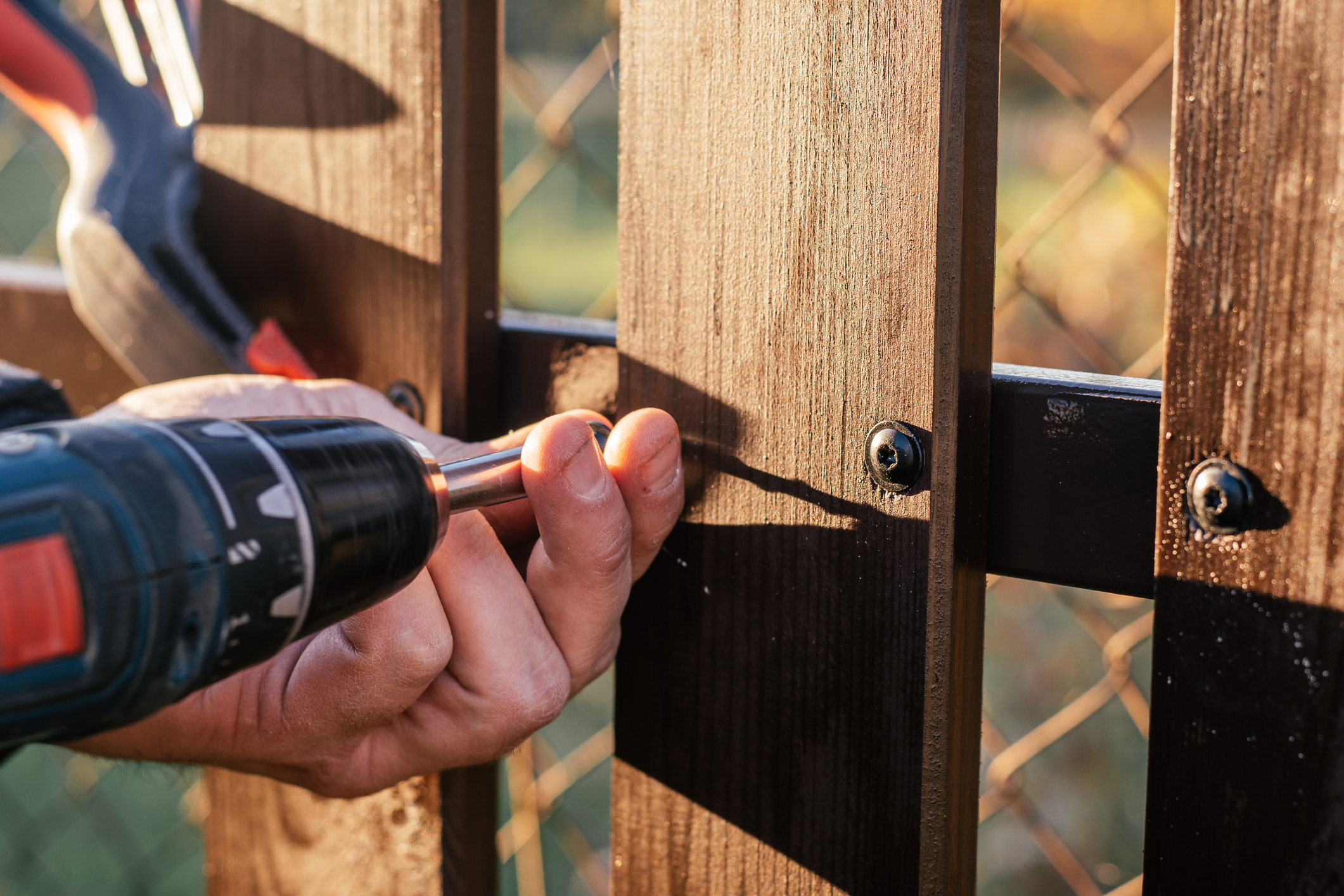
Your fence may begin leaning because of loose or deteriorating posts, shifting soil, improper installation, or damage caused by strong winds and heavy rainfall. When fence posts lose stability, entire sections can gradually tilt, creating uneven fence lines and reducing the security of your property. Wood posts may weaken from moisture exposure and decay, while other post materials can become unstable if their foundations shift or the surrounding soil no longer provides adequate support.
The best solution depends on whether the problem involves individual posts or a larger portion of the fence. In some cases, replacing damaged posts and securing the existing panels can restore stability without requiring a complete replacement. However, extensive deterioration or widespread movement may make installing a new fence the more practical option. We can help evaluate unstable fencing and determine whether repairs or replacement will provide a dependable, long-term solution.

Can I Replace a Damaged Fence Panel Without
Replacing the Entire Fence?
You can often replace individual fence panels without replacing the entire fence, provided the surrounding posts, rails, and remaining sections are structurally sound. This is a practical solution when your fence has sustained localized storm damage, broken boards, cracked vinyl panels, or damage from fallen branches. Replacing only the affected sections can help restore privacy, security, and appearance while avoiding the expense of removing fencing that remains in good condition.
Before replacing a panel, it’s important to inspect the supporting posts and adjacent sections for hidden damage. A new panel may not remain secure if the surrounding structure has shifted or deteriorated. Matching the original material, color, height, and style is another consideration, particularly with older fencing. We can help determine whether individual sections can be replaced or whether more extensive work is needed to restore your fence’s appearance and stability.

Privacy & Containment
How Do I Fix Gaps Under My Fence?
You can fix gaps under your fence by addressing uneven ground, soil erosion, or changes in the surrounding landscape, although the right solution depends on the size of the opening and your fence material. These gaps may reduce privacy, allow small pets to escape, or create access points for unwanted animals. Properties with sloped yards or areas affected by heavy rain may be more likely to develop noticeable openings, particularly when soil washes away from beneath existing fence sections.
Minor gaps may be addressed by restoring soil levels or adding appropriate barriers, while larger openings may require adjustments to the fence or replacement of affected sections. If erosion is responsible, correcting the drainage problem is important to prevent the gap from returning. When installing new fencing, accounting for changes in elevation can help minimize unwanted openings while maintaining a consistent appearance. We help homeowners explore fencing solutions that accommodate their property’s terrain and provide the privacy and containment they need.

