

Material, Layout, Gates, Property Conditions & More
A Homeowner's Guide to Privacy Fencing
A privacy fence can change how a homeowner uses an outdoor space. It can create separation between neighboring properties, provide a more enclosed backyard, reduce direct views into portions of the property, and establish clearer boundaries around outdoor living areas.
Choosing a privacy fence involves more than deciding how tall it should be. Material, layout, gates, property conditions, maintenance expectations, and the appearance of the home and landscape should all be considered before installation begins.
- TL;DR:
- Privacy fencing can create separation, define outdoor areas, and reduce direct views into a property.
- Wood and vinyl are common choices, but the best option depends on appearance and maintenance preferences.
- Planning the layout and gate locations before installation can make the finished fence more practical.
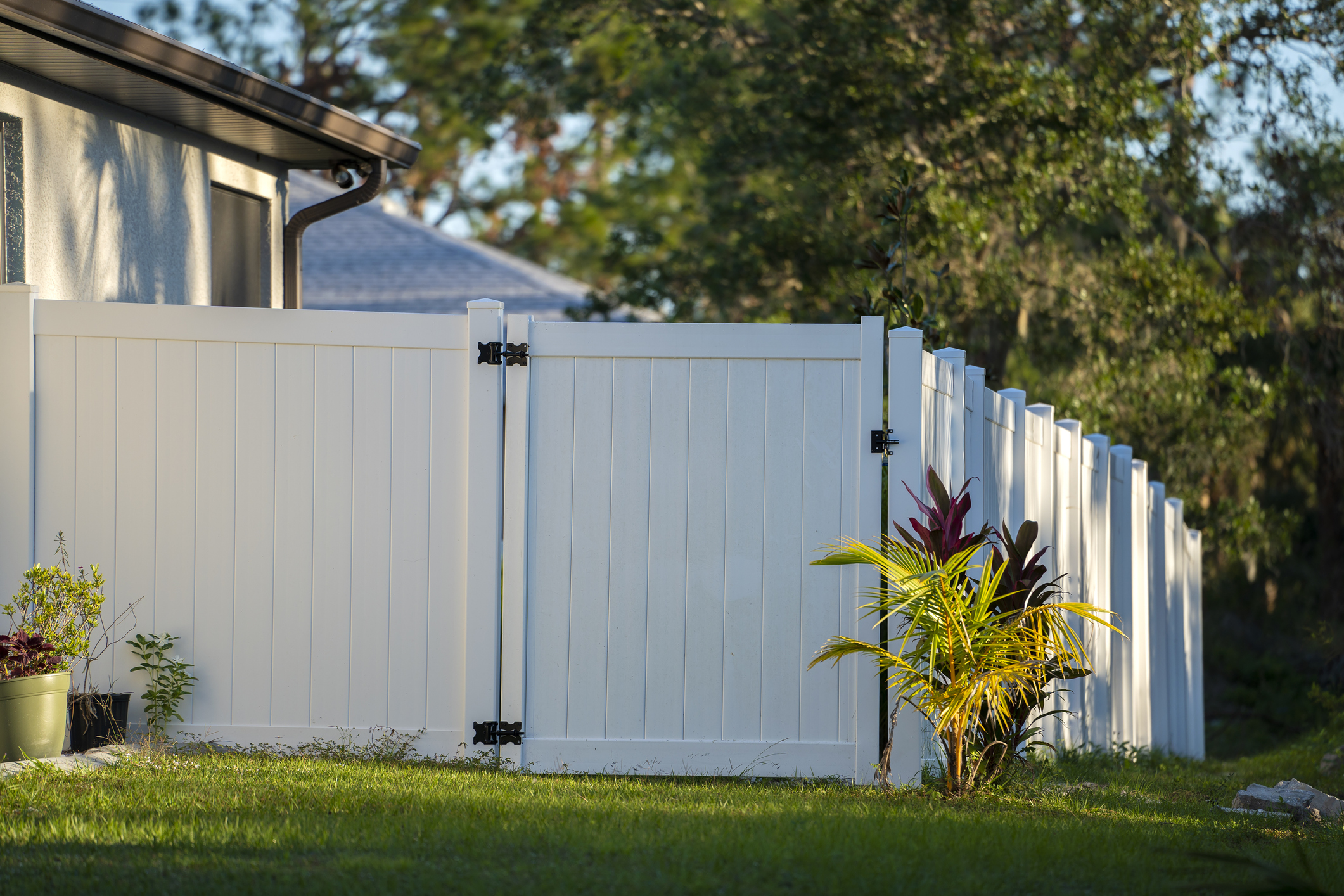
Choosing the Right Privacy Fence
Planning a privacy fence involves considering your goals, materials, layout, gates, and overall appearance. The right approach can provide privacy while keeping your property functional and attractive.
What Should You Consider Before Installing a Privacy Fence?
Property lines, landscaping, slopes, existing structures, utilities, access points, and gates should also be considered before installation. Addressing these details early can help prevent the fence from interfering with how you move around or maintain the property.
What Materials Can Be Used for Privacy Fencing?
Wood provides a traditional appearance and can work with many architectural and landscape styles. Different configurations can provide varying levels of privacy while allowing homeowners to choose an appearance that complements the property.
Vinyl offers another option for creating enclosed outdoor areas while requiring less routine maintenance. Its consistent appearance can work well for homeowners who prefer a clean, uniform fence design.
How Much of the Yard Should Be Enclosed?
The best layout depends on how the property is used and where privacy is actually needed. Selective fencing may also allow homeowners to preserve desirable views or maintain a more open appearance in other portions of the property.
Why Are Gate Locations Important?
Think about everyday pedestrian access as well as larger equipment that may occasionally need to enter the yard. Lawn equipment, landscaping materials, outdoor furniture, and other large items may require wider access than a standard pedestrian gate provides.
Planning gates at the same time as the fence can create a more functional finished layout.
Privacy, Function & Appearance
How Can a Privacy Fence Complement the Property?
A fence is a large visual feature, so its appearance should work with the home and surrounding landscape. Material, height, style, color, and layout can all influence how prominent the fence appears. Existing landscaping can also be incorporated into the overall design rather than treating the fence as an isolated feature. Superior Fence Company can help homeowners compare fencing options and develop a layout that balances privacy, function, and appearance.
Take A Look At Our
Frequently Asked Questions
Planning a privacy fence involves more than choosing a material. These FAQs cover privacy options, fence placement, and gate planning to help you make the right choices for your property.
Solid or closely spaced fence designs generally provide greater visual separation than open styles. Wood and vinyl both offer options designed specifically for privacy.
Not necessarily. Privacy fencing can be installed around an entire backyard or used strategically around specific areas where additional separation is desired.
Yes. Gate placement and width should be considered during the planning process so pedestrian access, lawn equipment, and other property needs can be accommodated.
