

Fence Repair Vs. Replacement
How To Decide
A damaged fence does not automatically need to be completely replaced. Individual boards, panels, posts, gates, or sections can sometimes be repaired while the remainder of the fence continues to perform as intended. In other situations, repeated problems or widespread deterioration can make replacement the more practical option.
The decision usually depends on the age of the fence, its material, the extent of the damage, and whether the problems are isolated or affecting a significant portion of the structure. Evaluating the complete fence rather than focusing on a single damaged area can provide a better picture of its overall condition.
- TL;DR:
- Localized damage may be repairable when the rest of the fence remains in good condition.
- Widespread deterioration, recurring repairs, or unstable posts may indicate that replacement should be considered.
- Age, material, structural condition, appearance, and repair history should all factor into the decision.
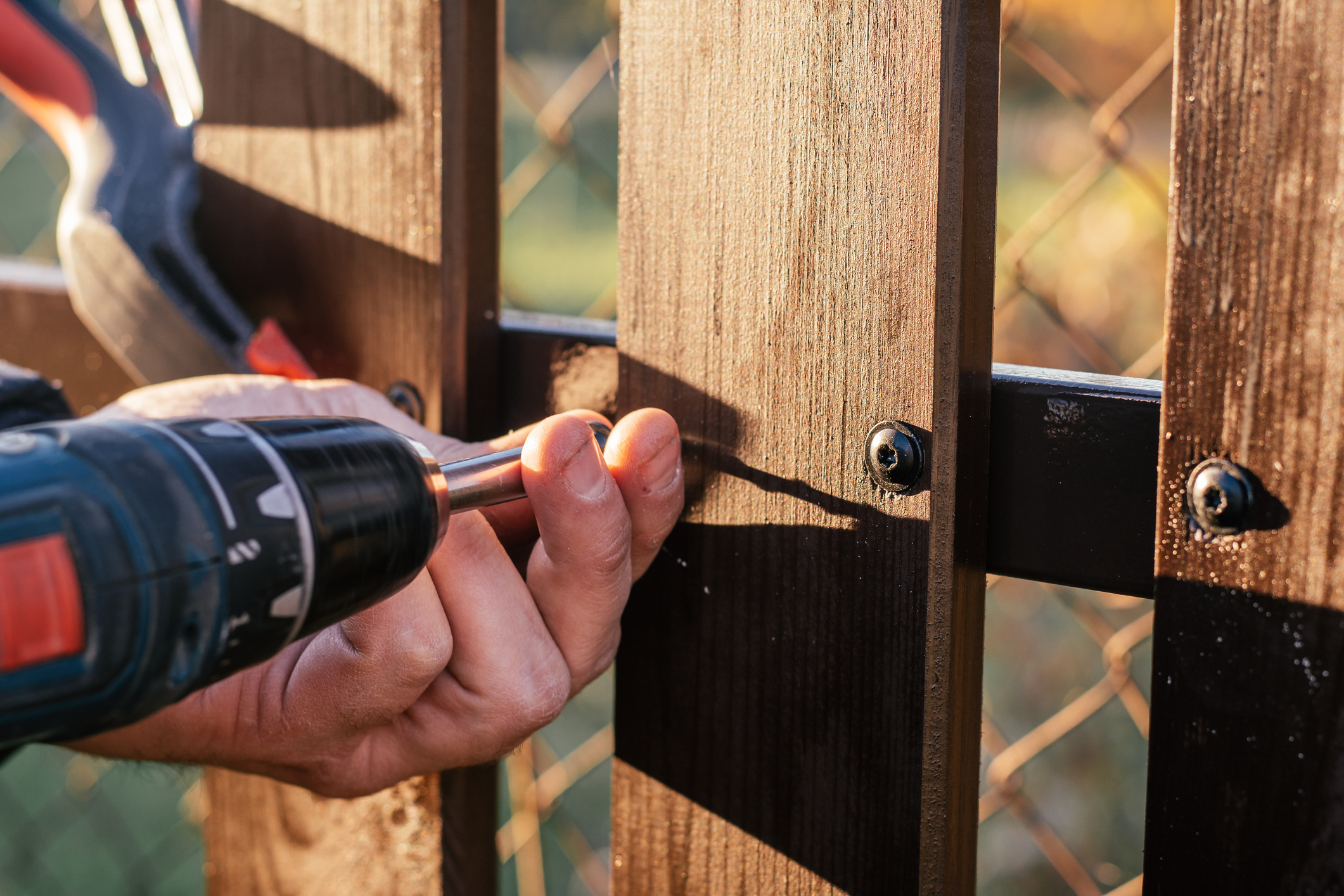
When to Repair or Replace Your Fence
Deciding whether to repair or replace a fence depends on its condition, damage, and functionality. Evaluating these factors can help determine the best approach for your property.
When Does Fence Repair Make Sense?
Examples may include an individual damaged board, panel, post, section of hardware, or gate component. Weather, impact, vegetation, normal wear, and ground movement can sometimes cause isolated problems without affecting the entire fence. Correcting these issues early may help prevent additional deterioration.
When Should Fence Replacement Be Considered?
Multiple unstable posts, widespread deterioration, extensive material damage, repeated repairs, or a fence that no longer serves its intended purpose can all be reasons to consider replacement.
Age should also be considered alongside condition. An older fence requiring increasingly frequent repairs may warrant a different approach than a relatively new fence with one damaged section.
Why Are Fence Posts Important?
One damaged post may be repairable. When numerous posts are experiencing similar problems, however, the condition may indicate a larger issue with the fence.
Inspecting posts can therefore provide useful information when deciding between repair and replacement.
Should a Sagging Gate Be Repaired or Replaced?
The problem may involve hinges, latches, alignment, posts, or the gate itself. Identifying the source of the problem should come before deciding how extensive the repair needs to be.
If the surrounding fence and posts remain structurally sound, addressing the gate independently may be possible.
Privacy, Security, Appearance Or Functionality
What If You Want a Different Type of Fence?
Condition is not the only reason homeowners replace fences. A fence may still be standing but no longer provide the privacy, security, appearance, or functionality the homeowner wants. Replacing an older fence can provide an opportunity to reconsider the material, layout, height, gates, and overall purpose of the enclosure. Superior Fence Company can evaluate the existing fence and discuss whether repairing damaged areas or planning a replacement makes more sense for the property.
Take A Look At Our
Frequently Asked Questions
Deciding whether to repair or replace a fence depends on the extent of the damage and its overall condition. These FAQs cover common questions about damaged sections, leaning fences, and when replacement may be the better option.
Depending on the condition and construction of the existing fence, localized sections may be repairable or replaceable without rebuilding the entire fence.
No. The cause of the leaning should first be determined. A localized post problem may require a different solution than widespread instability throughout the fence.
Replacement may be worth considering when deterioration is widespread, repairs are becoming frequent, structural components are failing, or the existing fence no longer provides the function you need.
